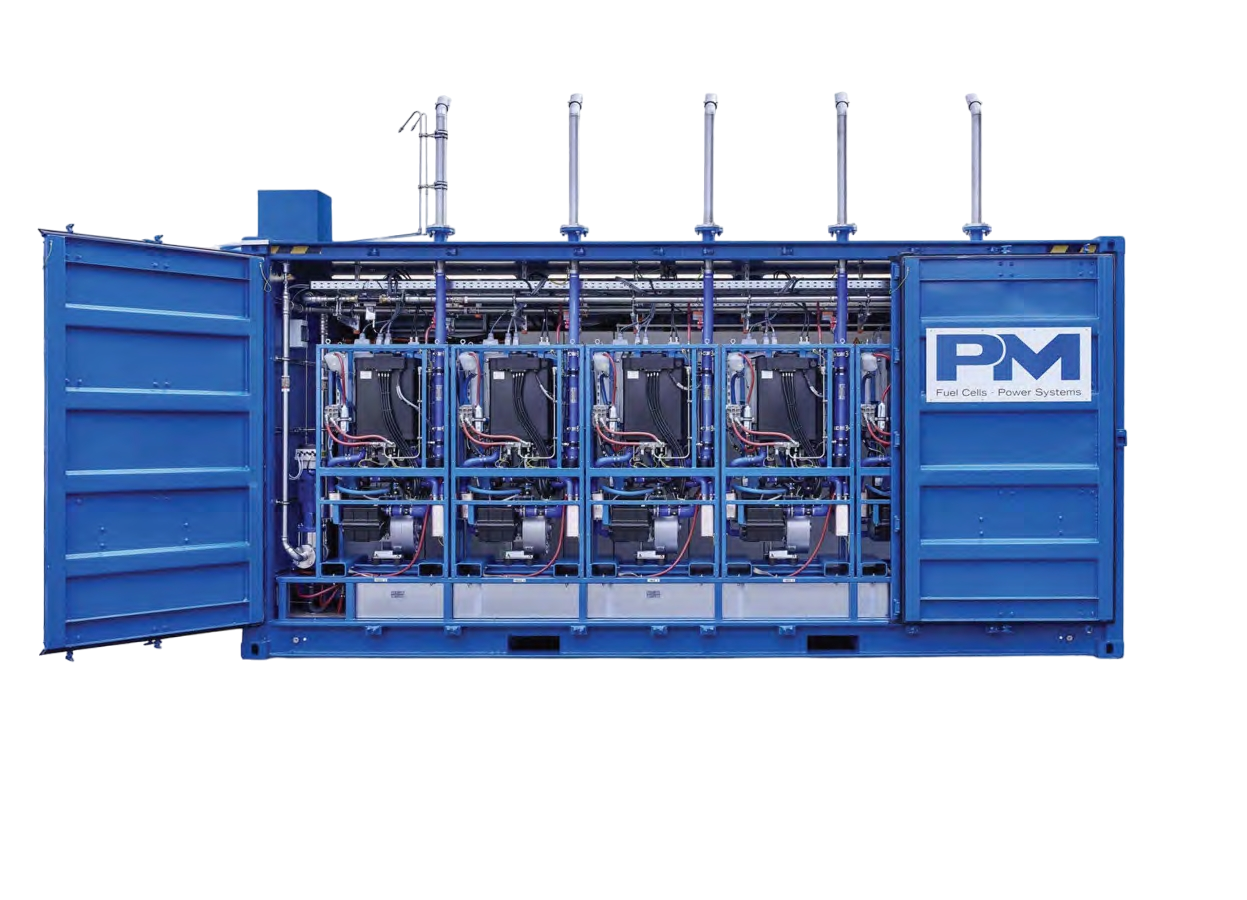
Energy
Storage Solutions
Overview of BESS (Battery Energy Storage Systems)
Definition and Purpose:
BESS stands for Battery Energy Storage Systems, a technology designed to store electrical energy in batteries for future use. These systems are pivotal in modern energy management because they enable the storage of energy generated from renewable sources, like solar and wind, which can be unpredictable and intermittent.
Balancing Power Supply and Demand:
BESS help balance the supply and demand for electricity by storing excess energy when production is high and releasing it when demand is high. This balance is crucial for maintaining a stable and reliable power grid.
Renewable Energy Integration:
By managing the inconsistencies of renewable energy sources, BESS facilitate their integration into the power grid. This integration is essential for transitioning to a more sustainable energy infrastructure.
Grid Stability:
BESS improves grid stability by providing a buffer against fluctuations in power generation and consumption. This stability is vital for preventing blackouts and ensuring a constant power supply.
Components of a Typical BESS
Batteries:
BESS stands for Battery Energy Storage Systems, a technology designed to store electrical energy in batteries for future use. These systems are pivotal in modern energy management because they enable the storage of energy generated from renewable sources, like solar and wind, which can be unpredictable and intermittent.
Power Conversion System:
This system includes inverters and converters that manage the flow of electricity between the batteries and the power grid or end-users. It ensures that the stored energy is converted to the appropriate voltage and frequency for use.
Control System:
The brains of the BESS, the control system monitors and manages the operation of the batteries and power conversion system. It ensures optimal performance, safety, and efficiency by controlling charging and discharging cycles and integrating with the broader energy management system.
Hydrogen as part of the energy mix
Hydrogen power utilizes hydrogen gas as a clean energy source, generated through processes like electrolysis with renewables. It’s versatile for transport, electricity, and industry, offering emissions-free solutions to combat climate change by replacing the use of fossil fuels.

RENEWABLE ENERGY
Renewable sources such as solar, wind, and hydroelectric power can be used to generate electricity, which is then used in the electrolysis process to split water into hydrogen and oxygen.

SOURCE OF WATER
Any source of water can be used for hydrogen energy as long as it’s composed of hydrogen and oxygen molecules, which is the case for most water found on Earth.

PRODUCTION
Hydrogen is produced through processes like electrolysis, where water molecules are split into hydrogen and oxygen using electricity, or through reforming processes, where hydrogen is extracted from natural gas or other hydrocarbons.

STORAGE
Once produced, hydrogen needs to be stored for later use. Common methods include compression into high-pressure tanks, liquefaction at very low temperatures, or storage in solid-state materials.

UTILIZATION
Hydrogen can be used in various applications such as fuel cells to generate electricity for vehicles or stationary power generation, in industrial processes like refining or chemical production, or as a direct fuel for combustion engines.
Hydrogen: The Future of Farming
Electrolysis Process
Electrolysis uses electricity to split water into hydrogen and oxygen gases by immersing electrodes
in water and applying an electrical current. The resulting gases are collected separately.
Hydrogen Production and Usage
- Hydrogen Production: Generated on-site or received from off-site facilities.
- Fuel Storage: Hydrogen is stored on-site in tanks or other storage facilities.
- Electricity Generation: Hydrogen is converted into electricity using fuel cells or combustion turbines.
- Power Distribution: Electricity is distributed through the power grid to end-users.
Types of Hydrogen
- Blue Hydrogen: Produced from natural gas with carbon capture and storage technology, reducing greenhouse gas emissions.
- Grey Hydrogen: Produced from fossil fuels like natural gas, emitting carbon dioxide as a byproduct.
- Green Hydrogen: Produced using renewable energy sources like solar or wind power to split watermolecules, emitting no greenhouse gases.
Benefits of Green Hydrogen in Farming
- Produces Clean Energy: From renewable sources, with no emissions.
- Powers Machinery: Efficiently and cleanly.
- Supports Fertilizer Production: Essential for crop growth.
- Energy Storage Solutions: Provides 33.6 kWh/kg of energy compared to diesel’s 10 kWh/kg.
Hydrogen Vehicles: Revolutionizing Farming
The hydrogen-powered Hilux, one of the first hydrogen fuel cell pickup trucks, offers:
- Zero Emissions
- Long Range and Quick Refueling
- Quiet Operation
- High Torque for Heavy Tasks
- Decentralized Fueling: Produce fuel on-site.
Hydrogen vehicles enhance sustainability, efficiency, and reduce the environmental impact of farming.
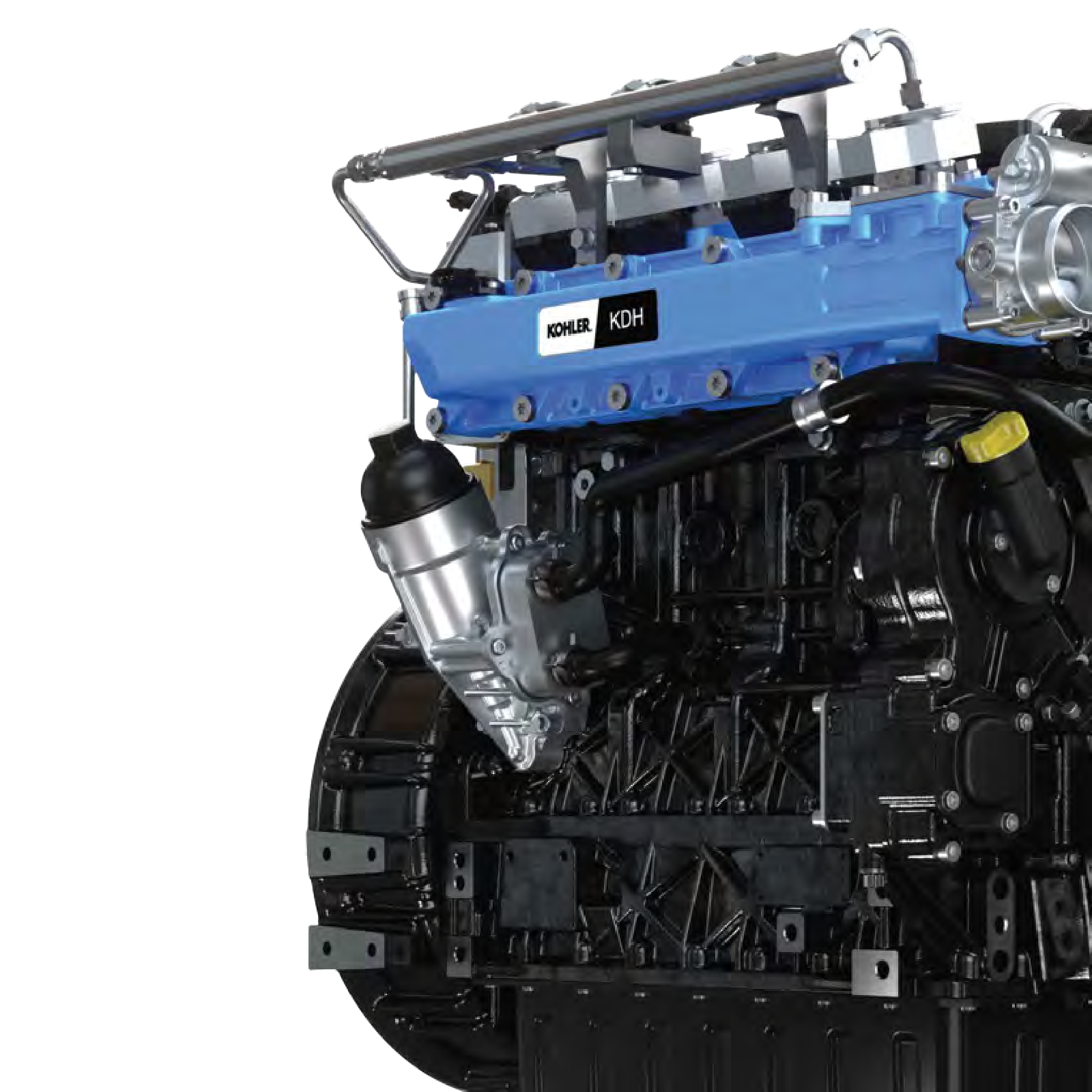
Fuel Cells
A hydrogen fuel cell is a device that turns hydrogen and oxygen into electricity, with water as the only waste. It works by splitting hydrogen into protons and electrons at the anode, and then combining them with oxygen at the cathode to produce electricity and water. As long as there is a constant source of fuel and oxygen, fuel cells will continue to generate power.
Hydrogen storage
Hydrogen storage involves storing hydrogen gas for later use. Methods include compressing it into tanks, liquefying it, absorbing it into solid materials, using porous carbon-based materials, or storing it in chemical compounds. Each method has its advantages and limitations, depending on factors like energy density and safety.